Why Organic?
Flour probably isn’t the first thing springing to mind when you think about choosing organic.
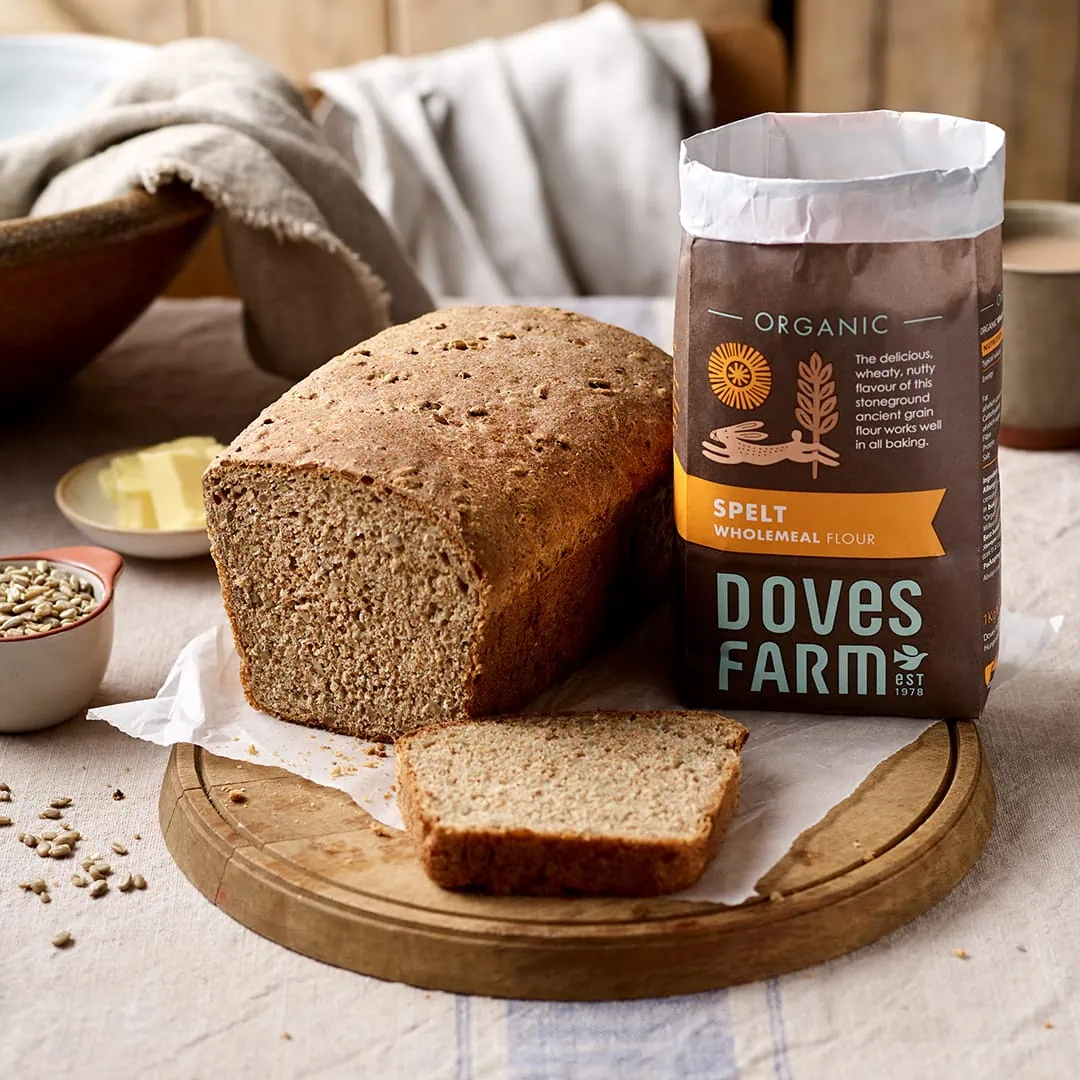
You find yourself in the baking aisle, surrounded by shelves and shelves of flour. What’s actually inside those packets, beyond the fine, powdery substance, we know as flour – that most humble of ingredients which gives us countless delicious baked goods? It is an ingredient that has been part of our culinary history since ancient times, with bread alone being older than metal, but how well do we know the ingredient that has formed so much of our ancestry and indeed, how well do we know the flour we choose today?
we work with nature, not against it.
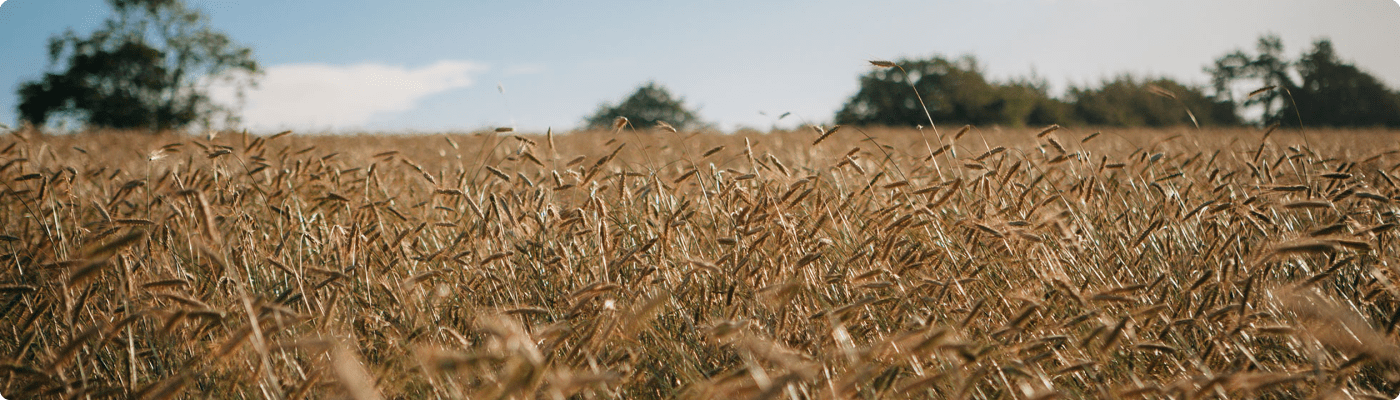
Before the mass production of flour and the word organic came into existence, our food was as it should be, created without artificial inputs and grown with very little human intervention. Once the crop was sown, it was nurtured by the soil, wind, rain and sun until it was ready to harvest, and once cut, the grain would be milled into flour without added preservatives or artificial ingredients. Today, organic flour production, and how we produce our organic range at Doves Farm, is influenced by this farming model and aims to work with nature and not against it, to encourage and build our agricultural systems and to produce grain as nature intended and as close to that of our forefathers.
Why choose organic flour? What does organic even really mean?
What does this really mean for you, when you’re perusing the shelves for your baking ingredients?
Organic farming is a rigorously controlled system. Every part of the farming and production chain is measured, inspected and documented. It means the flour milled from organic grain has been produced with higher levels of environmental welfare, lower levels of pesticides and no genetically modified ingredients (GM) or artificial fertilisers. When you choose organic flour, you are able to make a decisive choice about the journey your food has made from field to oven.
Choose what you feed your body
Did you know there are more than 300 different additives available for food manufacturers to use in the UK and around 400 pesticides that can be used in non-organic farming (1) and are often present in non-organic food? Organic grain is grown using fewer pesticides – organic farmers are able to use only 20 pesticides, derived from natural ingredients and are only permitted under very restricted circumstances – meaning when you bake with organic flour, you choose to reduce your exposure to pesticides that can make their way into the food chain.
In 2017, more than a quarter of bread tested by government were found to contain residues of more than one pesticide (2). Baking your own bread allows you to control exactly what goes into it and therefore what you put in your body. We love to bake with organic flour because it means we know what our food contains and that it has been produced with as few artificial inputs as possible. Ultimately, it is a great way of knowing what goes into your bakes and what food you’re feeding your family.
Be a guardian of our planet
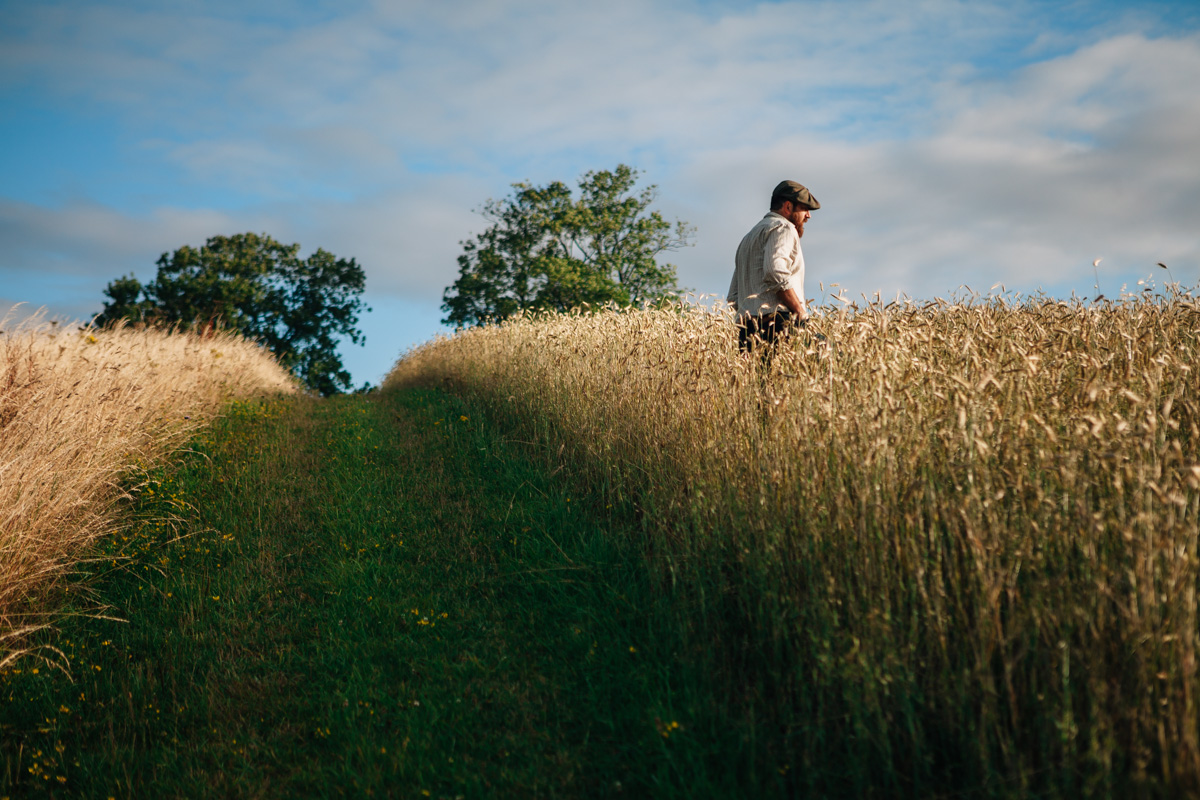
Organic farming is planet-friendly farming. On our organic farm we work to build natural soil fertility, using crop rotations to help break cycles of pests and disease instead of using numerous pesticides and artificial fertilisers, which can pollute our soil and water systems. This also means that organic farms are havens for wildlife and provide homes for bees, birds and butterflies.
Revolutionise your baking
Artisan bakers across the country choose to bake with organic flour and it’s no surprise why. Driven by the desire to make bread as it should be, they choose ingredients without additives and when it comes to flour, organic flour is the cream of the crop. When you’re taking the time to bake, to proudly pull a showstopper out of the oven, you can share with your family, you of course want to use the best ingredients you can get your hands on, including flour.
What’s more, for the sourdough lovers amongst us, organic flour is typically recommended for making a sourdough starter. This is because it contains the natural microbes which allow it to ferment when mixed with water.
Choosing organic flour then is a step in the right direction if we want to minimise our exposure to chemicals and help to safeguard our planet. As the Soil Association, the UK’s leading food and farming charity and organic certification body, have proposed, our shopping choices affect not only our own health, but what our world will look like in the future:
“In the face of climate change, rising diet-related ill-health and widespread declines in our wildlife, the need to produce healthy food, cut greenhouse gas emissions, and protect wildlife grows more acute by the year. There is no magic bullet to tackle the challenges that face us, but the buying decisions we make every day are a simple but powerful form of direct action.” – The Soil Association
Why not make one small change and try baking with organic flour yourself?
(1) Food Standards Agency, Approved Additives & E Numbers, https://www.food.gov.uk/business-guidance/approved-additives-and-e-numbers, Updated 31 December 2020.
(2) Soil Association, https://www.soilassociation.org/take-action/organic-living/what-is-organic/organic-bread-flour/ and Pesticide Action Network UK, https://www.pan-uk.org/site/wp-content/uploads/Pesticides-in-Your-Daily-Bread-2014.pdf
(3) Soil Association, https://www.soilassociation.org/take-action/organic-living/why-organic/better-for-wildlife/